
Contribute to Our Community
Observations and Educational Insights
Helping make learning through play more visible
Every play environment reveals something different.
A child may discover an unexpected way to use a material, return to the same challenge with a new approach, or find a way to work with others that the adults around them had not anticipated.
When these moments are observed with patience and care, they can help us see how children explore, adapt, communicate, and make sense of what happens around them.
Observations from classrooms and homes do not replace research. They bring context, detail, and lived experience to our shared understanding of how learning takes shape through play.
Who can contribute
We welcome thoughtful contributions from educators and families who observe children’s play with care.
You may choose to document one focused moment, describe a change noticed across repeated play, or explore a broader idea related to play, parenting, education, and the environments in which children learn.
There are two ways to contribute.
1. Share an Observation
Documenting a moment of learning through play
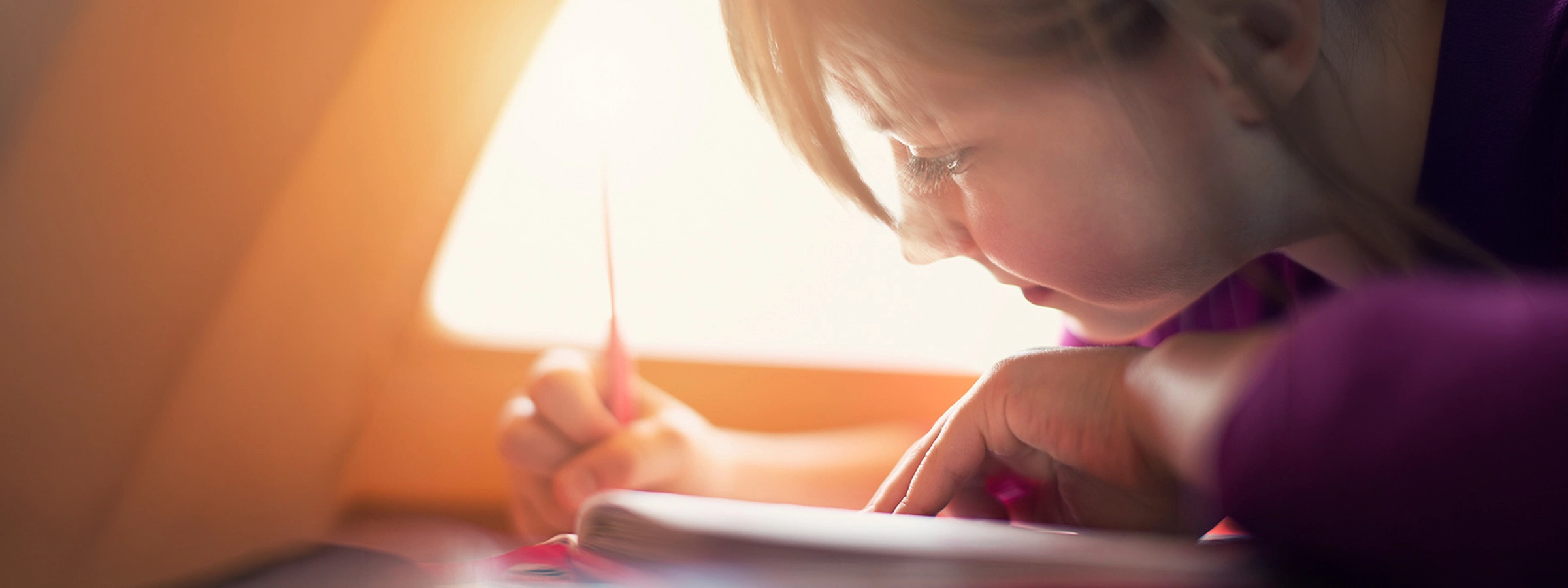
An Observation is a close account of something you noticed while a child or group of children was playing.
It may focus on a single moment, such as a child changing their approach after a structure falls, or on something that became visible over time, such as greater willingness to wait, explain an idea, compare possibilities, or work with others.
The purpose is not to diagnose development or prove that a particular activity produced a particular result. It is to describe what happened clearly enough for others to consider what the moment may reveal.
These observations help connect the ideas explored in Why Play Matters in Child Development with the real play experiences shared in How It Grows.
What to include
- Context: Describe the setting, such as a classroom, home, or shared play space, along with the approximate age range of the children involved.
- What Happened: Describe the play experience and the actions you observed. What was the child trying to do? What changed during the experience?
- What You Noticed: You may describe visible changes in attention, planning, spatial choices, communication, problem solving, or collaboration.
- What Changed Over Time: When relevant, explain what you noticed across repeated play experiences or after the child returned to the same challenge.
- The Role of the Environment or Adult: Describe any changes made to the materials, space, question, or level of adult involvement, and how the child responded.
- Suggested length: 300–800 words
2. Submit an Educational Article
Exploring ideas behind play, learning, and development
Educational Articles offer space to explore a broader question or perspective related to childhood, play, parenting, education, or learning environments.
Rather than quick tips or general activity lists, we are looking for thoughtful articles that help readers understand why a particular idea matters and how it may appear in everyday practice.
Possible subjects may include:
- How observation can guide the way adults prepare a play environment
- The value of time for open-ended play
- How adults can stay close without taking over
- The influence of space and materials on children’s choices
- What children may learn from mistakes and repeated attempts
- How shared play creates opportunities for listening and negotiation
What to include
- The Central Idea: Begin with one clear question, observation, or principle that the article will explore.
- Experience and Context: Connect the idea to real situations, professional experience, classroom practice, or careful observation.
- What It Means in Practice: Explain how adults might think differently about the environment, materials, language, time, or support they provide.
- The Reasoning Behind It: Help readers understand why the idea matters. When making research-based claims, please include the relevant source or reference.
- Suggested length: 600–1,200 words
What we are looking for
We value writing that is thoughtful, specific, and grounded in real experience.
Contributions should stay close to what was observed, considered, or learned, without turning a single experience into a diagnosis, a promotional claim, or a conclusion about how every child will develop.
The strongest contributions often begin with a small, clearly observed moment and consider what it may help us understand.
How to contribute
Please send your Observation or Educational Article to: support@taksatoys.com
In the subject line, please indicate which format you are submitting:
- Observation
- Educational Article
You are welcome to include your name, professional role, and affiliated school or institution where appropriate.
Submissions are reviewed with care. Selected contributions may be lightly edited for clarity and consistency in collaboration with the contributor.
By submitting your work, you give TaksaToys permission to review, edit, and publish the submitted content where appropriate. If published, we may include your name, professional role, and affiliated institution when provided.
Please include only information that you are comfortable having published.
Protecting children’s privacy
Please avoid including a child’s full name, address, school details, or other identifying information unless you have the appropriate permission to share it.
When describing a child or play experience, use only the details needed to help readers understand the observation.
Every observation adds another perspective
No single classroom, family, or play experience can represent every child.
But when thoughtful observations are shared, they allow us to see development from more than one perspective and consider how children respond across different environments, materials, relationships, and moments.
By observing carefully and sharing what we discover, we deepen our understanding of play, classroom by classroom, home by home, moment by moment.